Why our mark is made of light
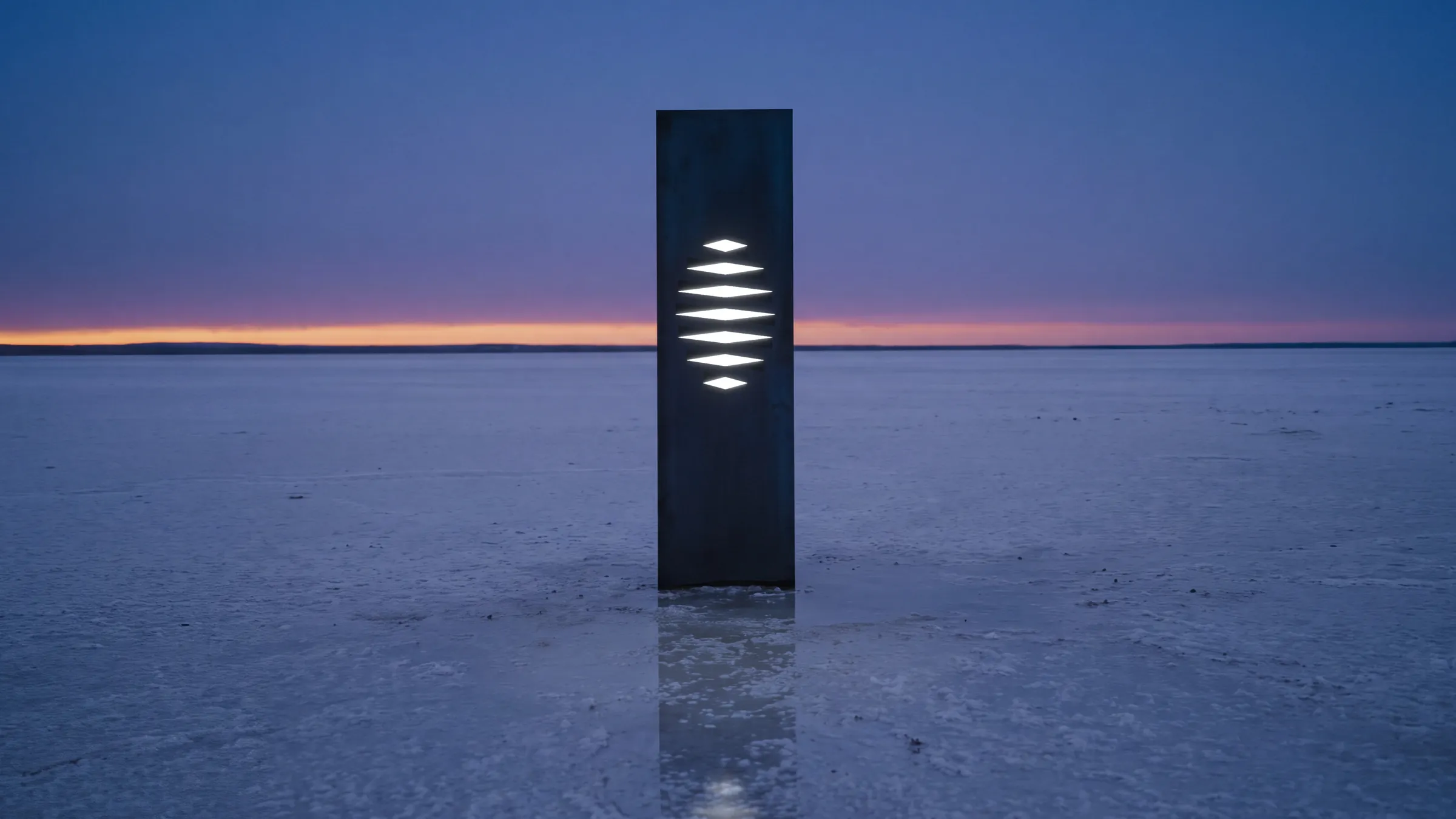
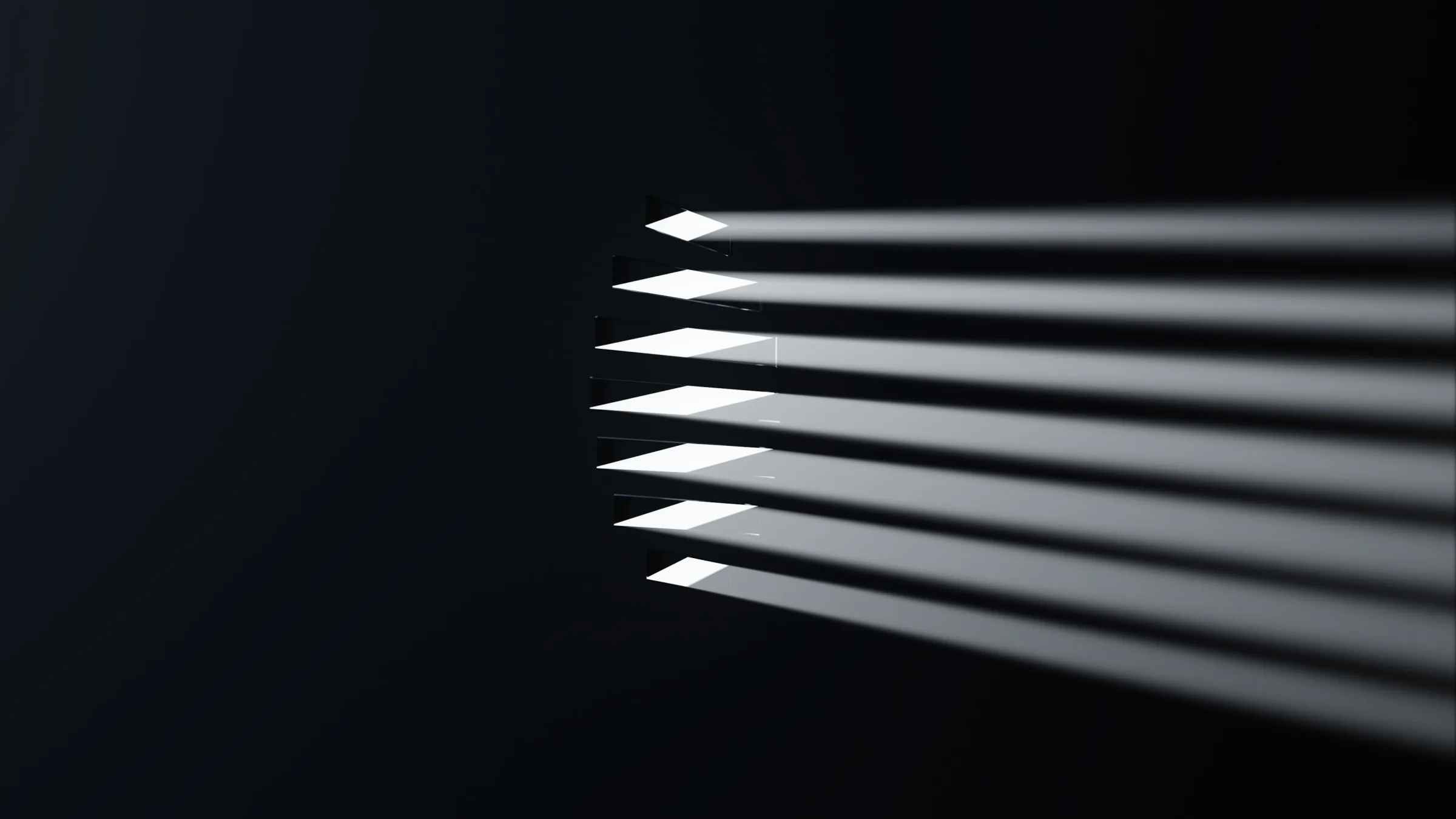
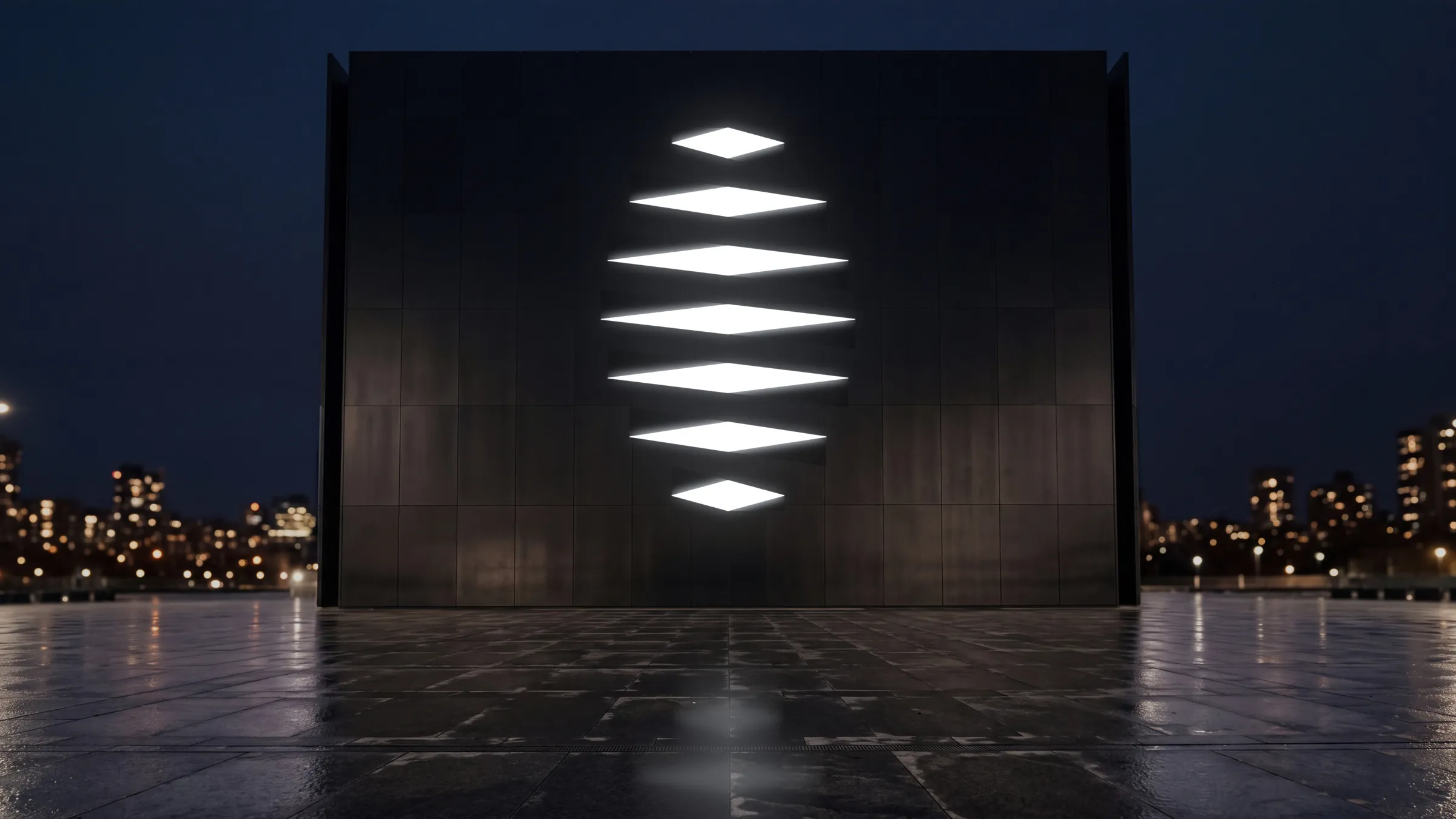
Two plates, seven crossings, and light only where both are open. The Eigna mark is the whole idea in one shape.
Most AI brands draw a spark, a swirl or a face. We wanted a mark that says what we do, and that only means something when the work is there.
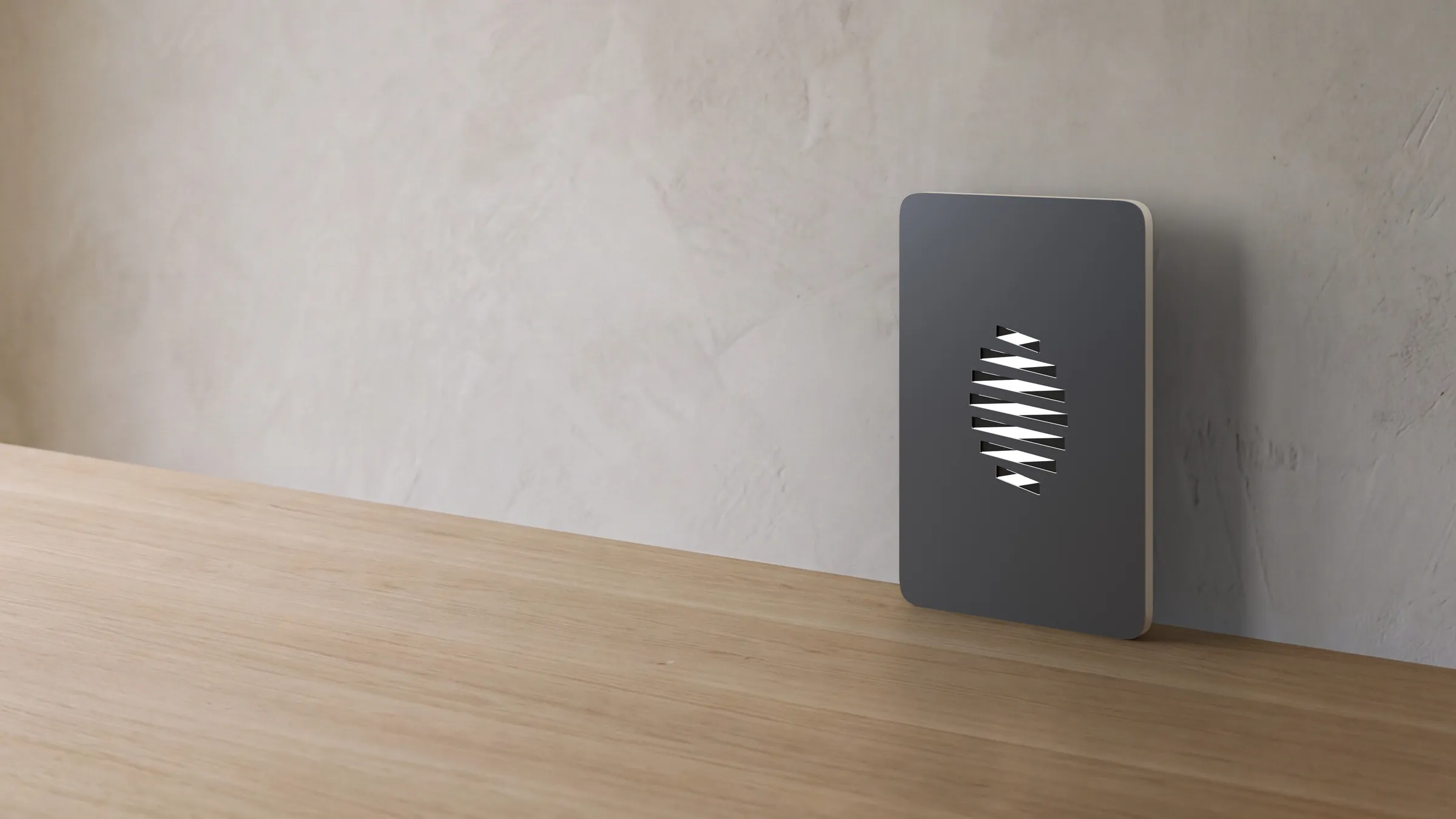
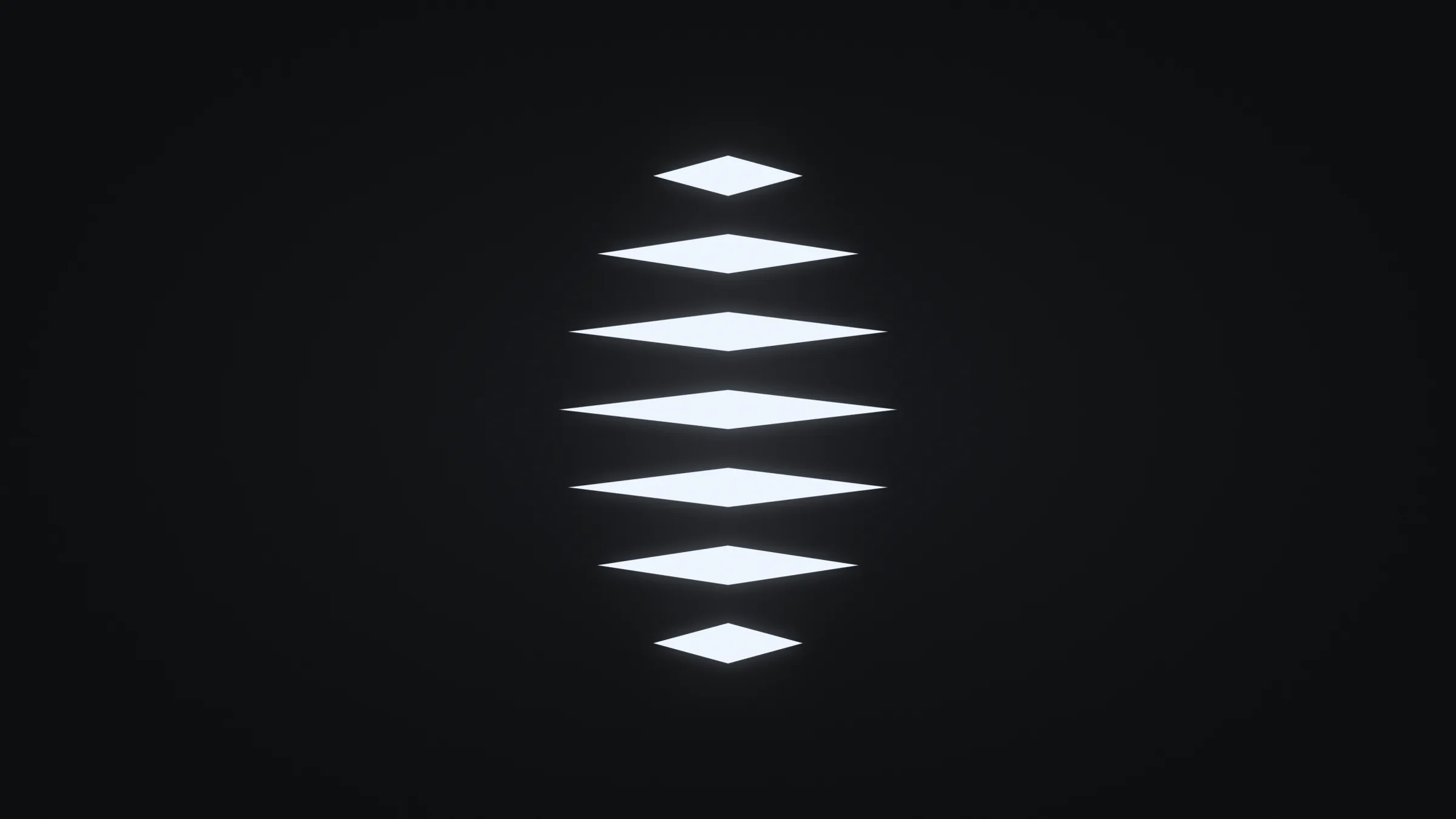
The Eigna mark is called the Figure. It starts as two plates, each cut with seven slits. On its own, each plate stays closed. Laid in register, light passes only where both are open, in seven crossings. That is the Figure.
Base plus work
The two plates are the idea. One is the base model, open and shared. The other is your work: the files, the decisions and the approvals only your company has. Neither makes a model of its own. Together they make yours: base model plus your work makes your model.
That is why the line under the mark reads: it appears only with your work. A plate on its own stays dark.
Colour is light, never paint
The palette is cool monochrome: Graphite first, then Steel, Slate, Silver, Mist and White, with the crossings a cool white. We never paint the mark with gradients or colour. Where colour appears, it is light, and it means something.
There are exactly four lights, and each always comes with its word. You will see them in the product and on the release record, never as decoration.
- ReleasedIcePassed the gate and live.
- LearningMineralTraining on approved work.
- HeldSandDid not beat the live version. Not released.
- Rolled backOxideThe owner went back to the previous release.
A figure for every owner
Every model gets a figure of its own: the same seven crossings, drawn by three numbers from that model, its angle, pitch and curve. The owner figure sits on the model’s Deed, its device and its app, and moves a step with each release. Your figure is a record you can see.
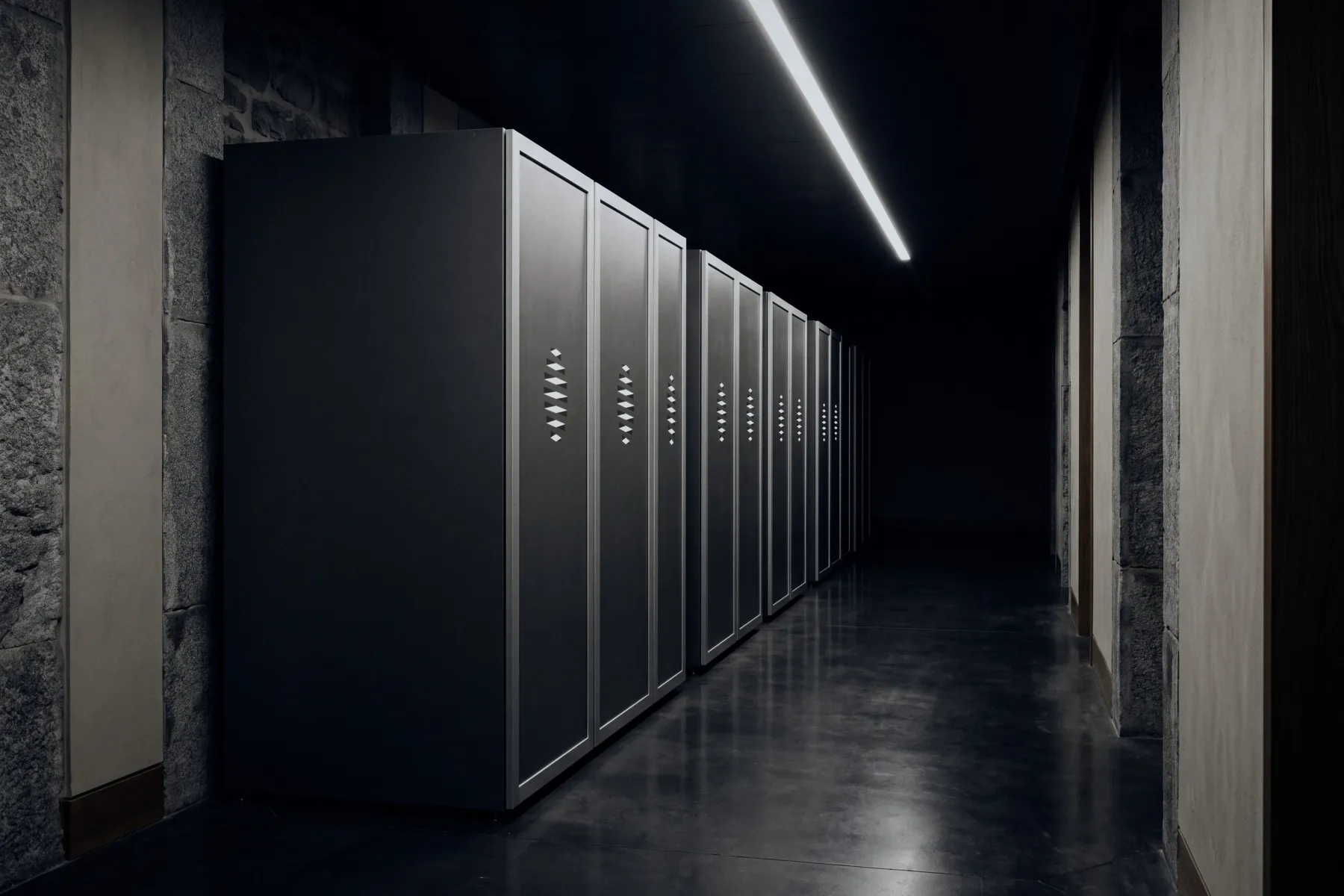
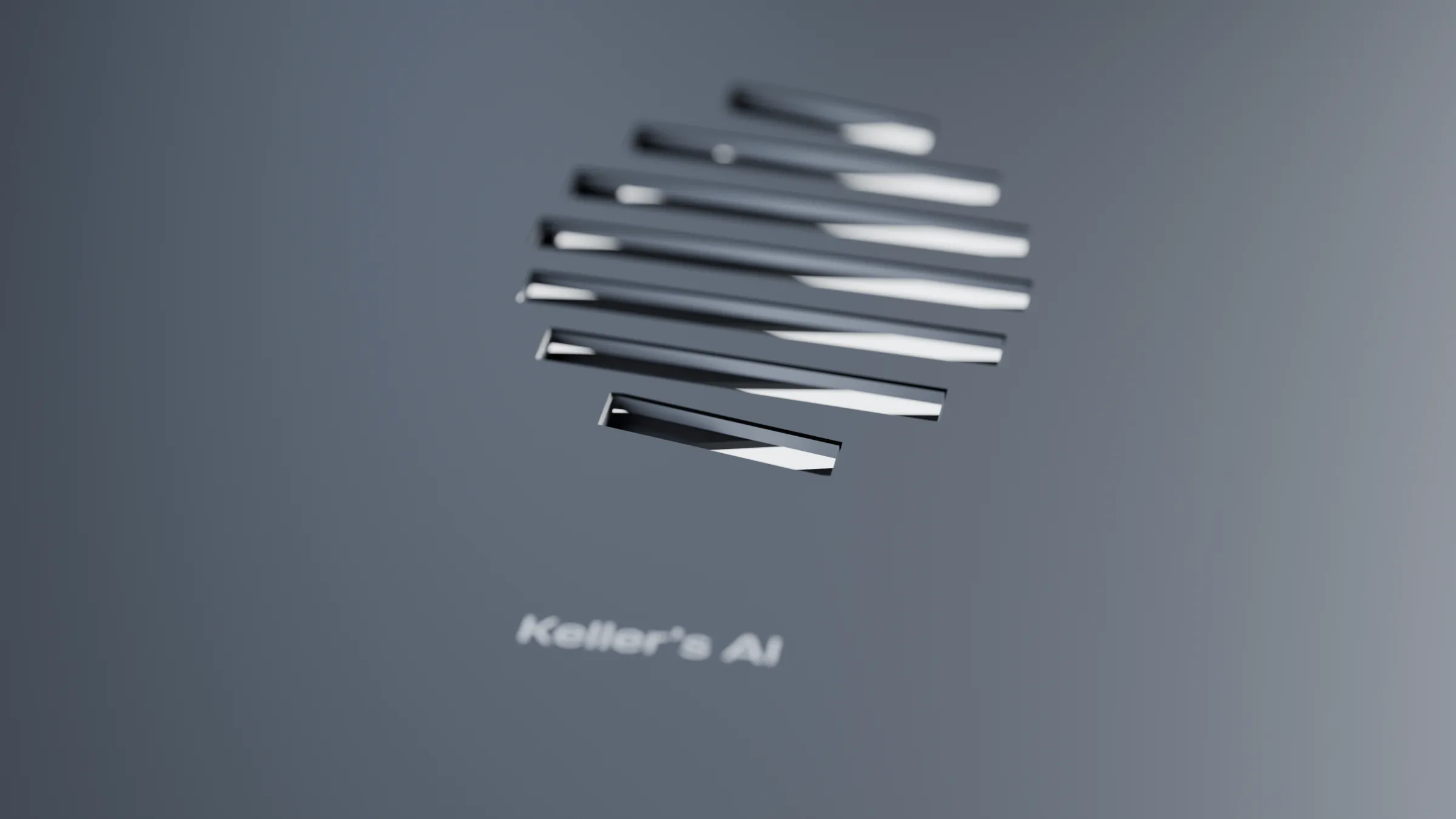
On an Eigna Box, the Figure is not printed. It is cut through the case, so light passes through it the way it passes through the plates, and the owner’s name sits on the plate.
Quiet on purpose
One family of type, Onest, in Light, Regular and Medium, sentence case everywhere. Hairlines instead of boxes. One object in one clean light. The founders appear only in graphite, low key. A bank or a ministry should be able to trust a screen before reading it.
A name that says it
The name carries the same idea. Eigna comes from the Old Norse eign: property, what is yours, from eiga, to own. In Norwegian Nynorsk, eigna seg means to fit. English own, German and Dutch eigen, Swedish egen: Germanic speakers hear the meaning before anyone explains it. We say it EYG-na, like eight plus na.
A model that is yours, made to fit your work, and a mark that lights up only when your work is in it. At rest it is seven crossings. In motion, the two plates slide into register and the light breaks through. Either way, it says the same thing: it appears only with your work.